Why a K Kitchen Remodel Can Kill Your HELOC Payoff
Learn which renovations actually increase home value and how to avoid turning equity into a money pit. Most guides ignore the long‑run cost of loan amortization and hidden lender fees.
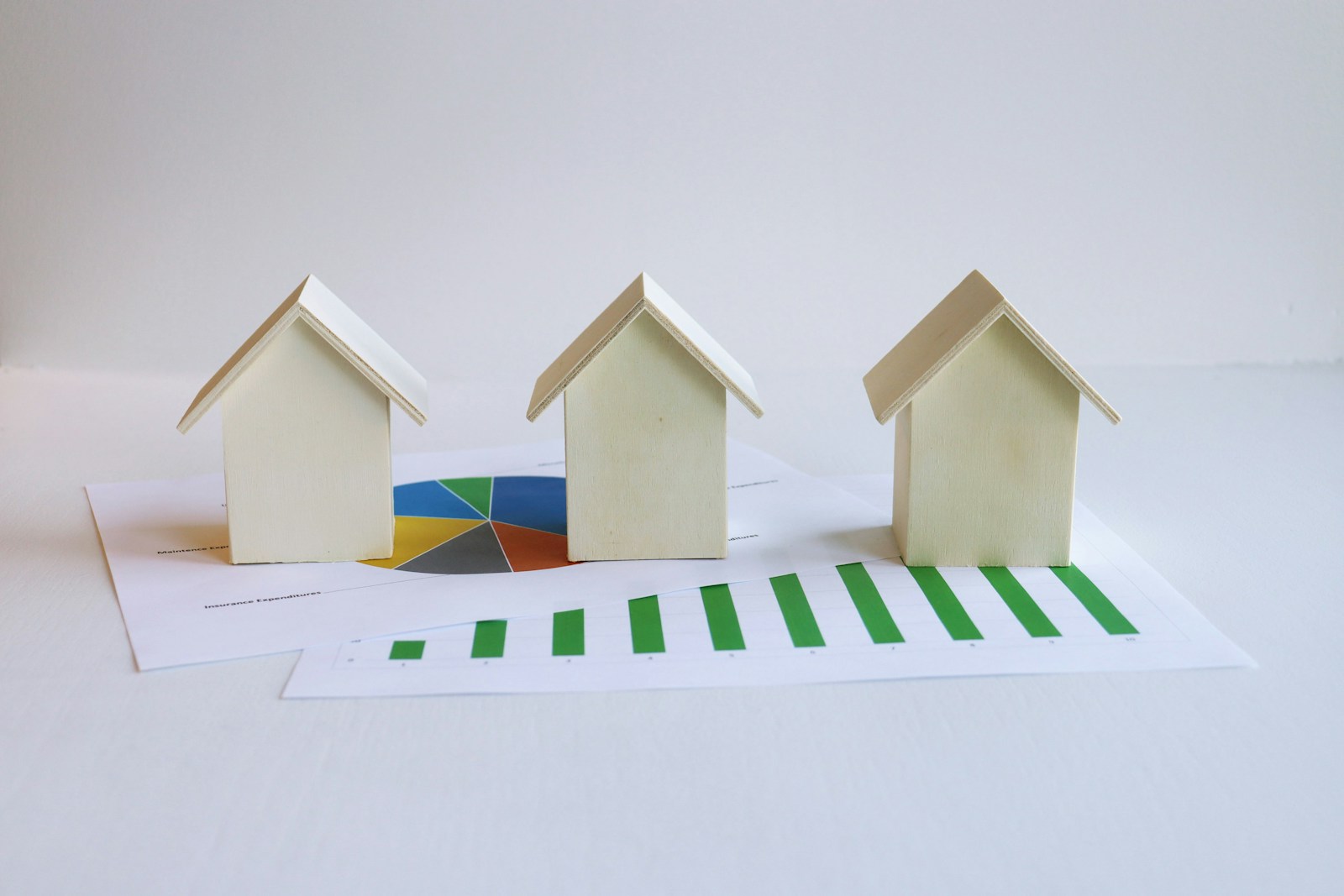
Pulling equity feels like a shortcut to a dream kitchen, but the shortcut often ends at a higher monthly bill and a longer payoff horizon. The tension lies between the lure of instant cash and the hidden mathematics that can erode the very wealth you hoped to create.
Can a remodel actually boost resale value?
National surveys place kitchen remodel ROI between 55 % and 70 %, meaning a $30 K project might add $16 K – $21 K to market price. Bathroom upgrades linger near the 60 % mark, while adding square footage can exceed 80 % when the addition blends with the original floor plan. Projects that simply update décor without improving functionality typically linger below 40 % ROI, turning borrowed dollars into sunk cost.
How does home‑equity borrowing reshape your amortization?
A HELOC at 6.5 % on a $50 K draw translates to roughly $260 in interest each month, but the principal balance stays static unless you make extra payments. By contrast, a cash‑out refinance spreads the $50 K over a new 30‑year term at 5.0 %, yielding a principal‑plus‑interest payment near $270. The latter appears higher at first glance, yet each payment chips away at the balance, shortening the overall interest burden compared with a revolving line that can linger for decades.
When does a cash‑out refinance pay off, and when does it sink you?
If the new rate undercuts the existing mortgage by at least 0.75 % and closing costs stay within 2‑3 % of the loan amount, the break‑even point often arrives after 24‑30 months. Should the rate differential shrink to 0.25 % or the lender tack on a $3 000 origination fee, the same refinance may never recoup its expense, leaving the homeowner with a larger balance and a higher effective APR. Timing the market is less about speculation and more about aligning the spread with the cost of borrowing.
The lender’s fine‑print: origination fees, buydowns, and PMI over 30 years
Many promotional ads showcase “0 % points” while slipping a 1 % origination fee into the settlement statement; on a $150 K loan that hidden charge equals $1 500. Rate buydowns often appear as “first‑year savings” but require a prepaid lump sum that can eclipse the projected interest reduction. Private mortgage insurance, mandatory when loan‑to‑value exceeds 80 %, typically runs $1 200‑$1 800 annually. Over a full 30‑year horizon, that adds $36 000‑$54 000 to the cost of a loan that many borrowers forget to factor into their equity calculations.
Projects that truly add equity versus vanity upgrades
A modest kitchen refresh—new cabinets, quartz countertops, energy‑efficient appliances—usually stays within the 55 %‑70 % ROI window and can be completed for $15 K‑$25 K. Replacing a roof or upgrading windows improves the home’s appraisal base and often yields 70 %‑80 % returns, especially in colder climates. Conversely, installing a heated driveway or a home theater system seldom surpasses 30 % ROI, making them prime candidates for cash‑on‑hand funding rather than borrowed equity. Aligning each project with its expected value lift guards against over‑leveraging.
Action plan: sizing the loan, budgeting the work, and protecting yourself
1. Pull a current amortization schedule for your primary mortgage; note remaining principal and interest rate. 2. Determine the maximum draw that keeps your total loan‑to‑value below 85 % to avoid PMI. 3. Obtain three contractor bids that itemize labor, materials, permits, and contingency; expect a 10 %‑15 % buffer for unexpected conditions. 4. Compare the HELOC’s variable rate range (5.5 %‑8.0 %) with a fixed‑rate cash‑out option (4.5 %‑6.5 %). 5. Run a break‑even calculator that includes estimated closing costs, origination fees, and the projected increase in property tax (often 1 %‑1.5 % of added value).
Following this roadmap typically produces a loan size that covers the renovation while keeping the new monthly payment no more than 10 % above your existing housing expense.
Double‑check checklist before any disbursement
- Verify the exact APR on the loan document; the advertised rate may exclude points or lender credits.
- Confirm that the lender’s closing disclosure lists each fee, from appraisal to document preparation, and that totals match the estimate you received.
- Ask for a written statement of the PMI cancellation trigger; many borrowers discover they must request removal after reaching 78 % LTV.
- Ensure the contractor’s contract includes a lien release clause tied to payment milestones, protecting you from future claims on the property.
- Review the escrow analysis for property tax and insurance adjustments; a sudden increase can offset any savings from a lower interest rate.
A disciplined audit of these items often reveals the true cost of tapping home equity, letting you decide whether the improvement truly pays for itself.
Keep reading

Home‑Equity Interest Deductions: The Real Numbers Lenders Hide
Learn which home‑equity interest the IRS actually lets you write off and why most DIY guides get it wrong. Avoid the tax traps that turn a cheap loan into a costly mistake.

Reverse Mortgages: Hidden Fees That Can Drain K in 5 Years
Learn the real cost structure of reverse mortgages and why most how‑to guides gloss over the traps. Most articles skip the fee waterfall that can erode equity faster than you expect.

Second Mortgage Risks: k Can Double Your Payments
You’ll see how a second mortgage reshapes cash flow, amortization and tax deductions. Most guides gloss over hidden fees and the compounding impact of two loans, leaving borrowers vulnerable.